Soft washing is a controlled treatment for compatible growth
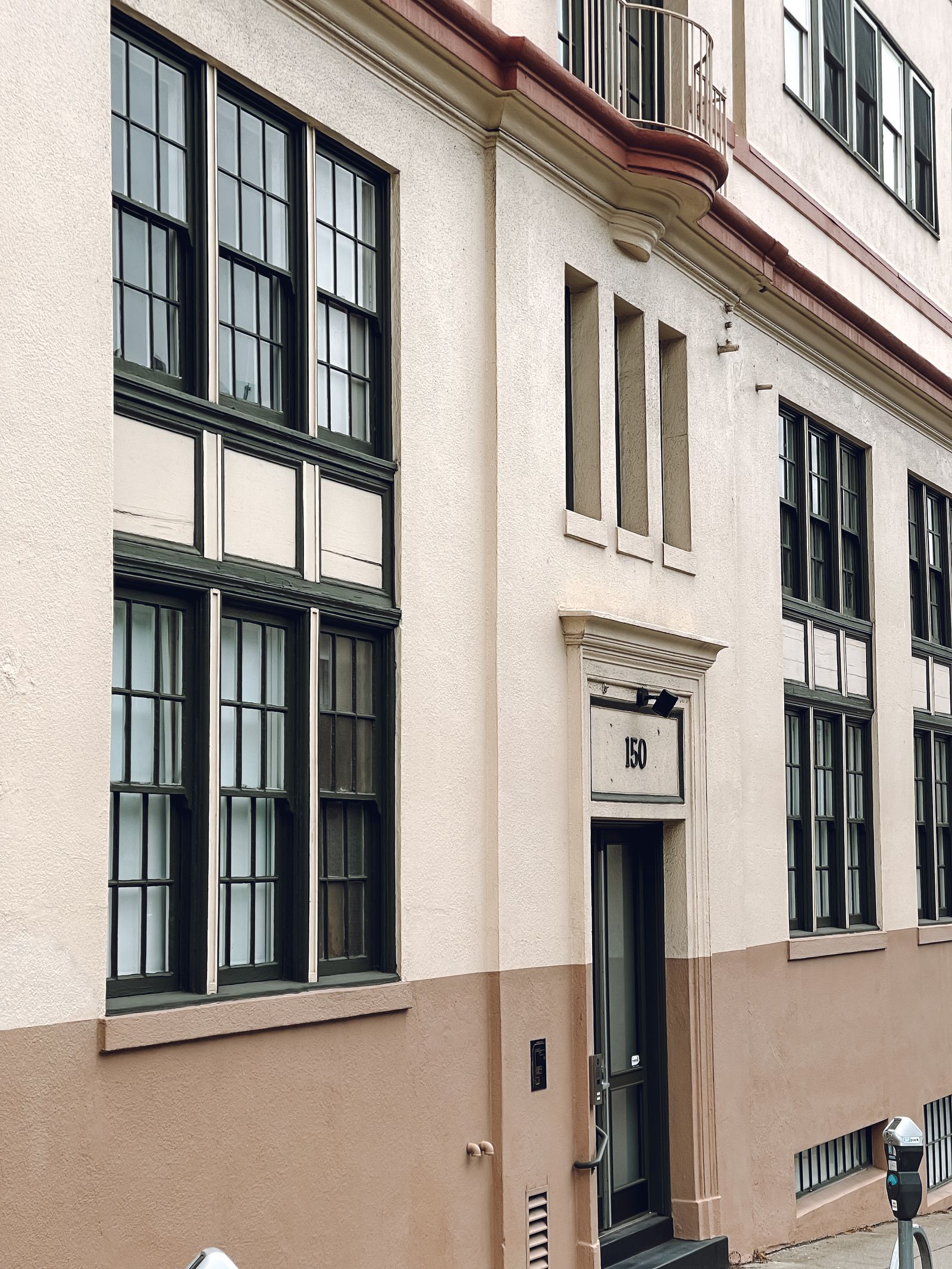
Soft washing generally uses a compatible cleaning solution, controlled dwell, and a measured rinse to address organic growth or atmospheric film without depending on maximum water impact. That can fit a shaded masonry or stucco area when a test confirms the substrate, product, dwell, rinse, landscaping protection, weather, and runoff plan. The aim is a measured process, not a promise that a low pressure number makes every surface safe.
Soft washing is not a cure-all. Mineral scale, oxidation, rust, soot, old paint, failed sealant, coating failure, efflorescence, and damaged masonry may need specialty cleaning, repair, or another trade. Asheville's older buildings can show several conditions on one elevation. The proposal should state the likely result, test area, included surfaces, remaining deposits, and any concern that should be referred for masonry, roofing, envelope, or coating work.
Pressure washing can fit durable surfaces when controlled
Pressure washing uses water impact to release compatible loose soil from material that can tolerate the selected pressure, flow, nozzle, distance, and technique. It may fit portions of concrete walks, curbs, loading areas, or other durable hardscape after testing and with control of splash, traffic, traction, and runoff. The same setting may be unsuitable for old mortar, decorative brick, EIFS, fragile coatings, window seals, painted trim, or places where water can enter behind the facade.
More pressure is not automatically a better result. It can etch concrete, stripe a surface, remove paint, disturb joints, damage seals, force water into openings, or scatter soil toward an entrance while leaving organic staining behind. A useful comparison asks what deposit is being removed, what the substrate can tolerate, how the operator controls the work, and what finish is realistically achievable.
Assign the method by elevation and material
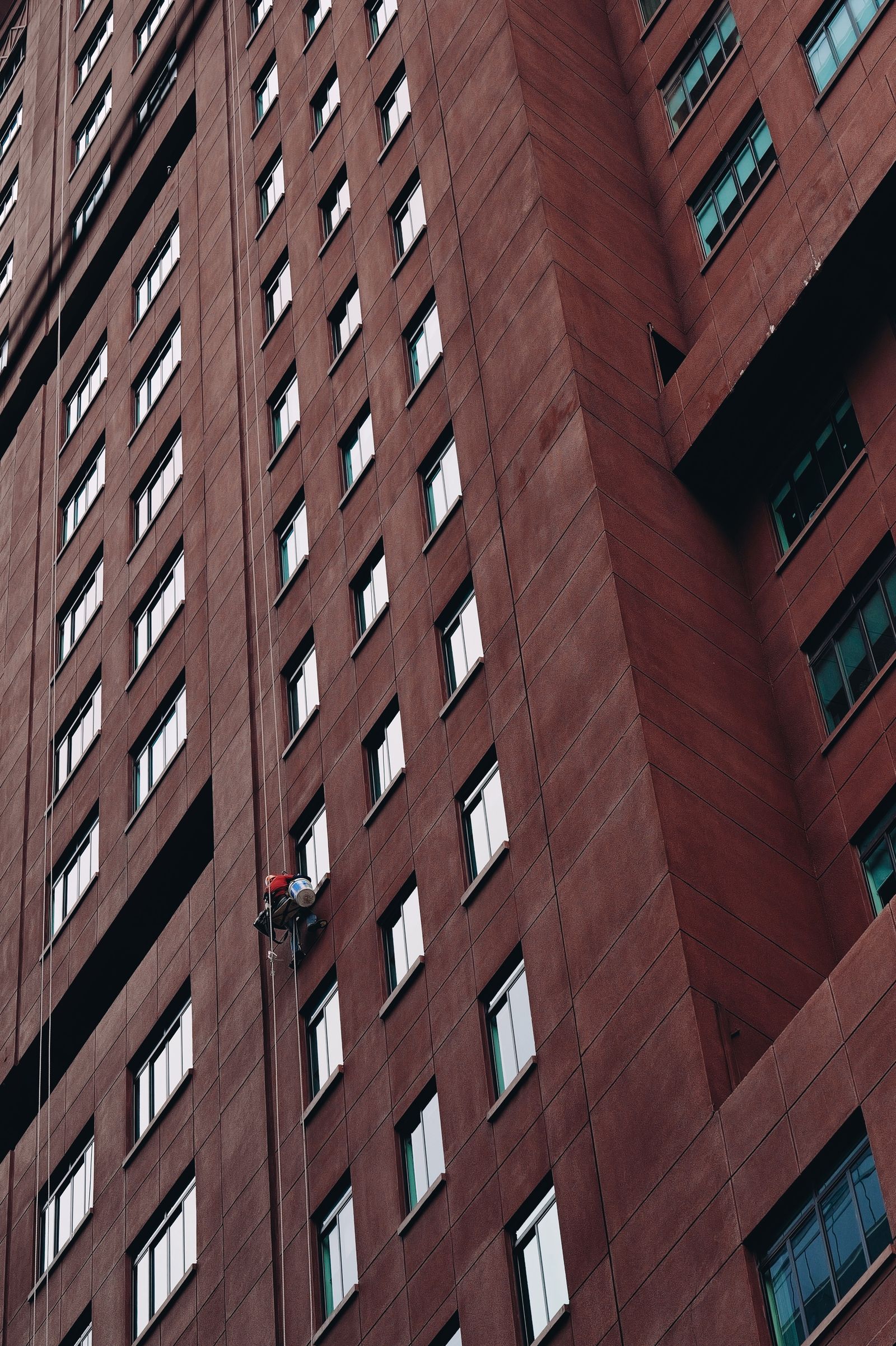
Downtown Asheville and South Slope can place historic or repaired masonry beside storefront glass, canopies, signs, outdoor seating, and narrow pedestrian routes. Biltmore Village may add landscaping, shared parking, visitor traffic, and older-looking details. Merrimon Avenue retail sites may have drive-through lanes, multiple tenants, loading movements, and long parking-side elevations. A single building can therefore need soft washing on a compatible upper wall, controlled pressure on a durable concrete area, hand detail around a sign, and a separate glass scope.
Masonry deserves particular care. Brick, mortar, concrete block, stucco, and stone do not have identical porosity or strength. Open joints, spalling, patched areas, efflorescence, biological growth, and old coatings can change the response. A test area should be considered where the finish is weathered, historic, repaired, or visually important. Cleaning may document a problem, but it should not be sold as repointing, restoration, waterproofing, or leak repair.
Let Blue Ridge weather influence the comparison
Humidity, spring pollen, tree shade, rain, and storm activity can affect dwell, drying, recurrence, visibility, and traction. A north-facing wall or recessed entry may remain damp, while a sunny painted metal panel may show oxidation or roof runoff after surface film is removed. Pollen can return quickly during the season, so a manager should distinguish a one-time presentation goal from recurring maintenance. Exposure, material, and the source of moisture matter more than a generic annual promise.
Lightning, gusts, heavy rain, low visibility, and saturated ground can affect pressure control, rinse quality, runoff, lift placement, and aerial stability. The quote should state weather limits, pause triggers, equipment security, and the rescheduling process. A dry inspection and documented handback are especially important when a storm changes the water path or leaves a steep route slick.
Compare steep-site access with public operations
Asheville grades change how a crew stages equipment, routes hoses, controls footing, separates vehicles, and watches water move downhill. A lower parking level may be below the wall being washed, while a retaining wall or upper facade overlooks a customer route. Downtown sidewalks, outdoor dining, Biltmore Village visitors, South Slope evening activity, and Merrimon Avenue traffic each call for different phasing. Ask which entrance remains open, where barriers go, how hoses cross, and who can stop work when movement changes.
Aerial assistance can help on suitable broad upper fields when launch and recovery space, line of sight, stand-off distance, wind, airspace, and ground separation are workable. It does not eliminate the need for lifts or contact tools around windows, ledges, wires, balconies, recessed details, rooftop equipment, or sensitive finishes. FAA requirements and any authorization for the address and date remain part of the plan. A hybrid scope may be the most practical answer.
Compare runoff duties, not just equipment
Both methods create runoff planning duties. Before work, map the high point, steep grades, low points, storm drains, planted beds, irrigation, basement entries, loading docks, neighboring property, accessible routes, and vehicle movement. The control plan depends on product, removed soil, rinse volume, slope, drain type, landscaping, and site requirements. Protection, diversion, collection, recovery, filtration, reduced-rinse methods, or coordination with the responsible authority may be appropriate. A curb inlet is not automatic permission to discharge wash water.
Chemistry also belongs in the comparison. Products and rinse water can affect vegetation, metals, glazing, sealants, coatings, masonry, and stormwater controls. A responsible quote explains testing, protection, dwell, rinse, product assumptions, flow monitoring, and the stop condition if water moves unexpectedly. It should identify whether a recurring dark area may reflect a gutter, downspout, planter, irrigation head, parapet, condensation point, or failed joint rather than a cleaning-method problem.
Use the comparison to request a defensible quote
Start with the Asheville address, photographs of the main entrance and problem elevations, approximate height, materials, visible deposits, desired finish, preferred work window, water source, slope, drains, landscaping, and restrictions involving guests, tenants, patients, employees, deliveries, events, or outdoor seating. Ask for a method by elevation, a test area where useful, access equipment, public controls, weather limits, runoff assumptions, exclusions, and a closeout standard. Compare the plan and expected result, not a single pressure number.
Drone Building Cleaners can review whether soft washing, controlled pressure, aerial support, contact work, or a hybrid method fits the building. Call +1 239-351-2897, email contact@dronebuildingcleaners.com, or use the existing quote form to get in touch. A property-specific proposal should make clear what will be cleaned, how the site will operate during the work, what water-management steps are planned, and which conditions remain outside the cleaning scope.