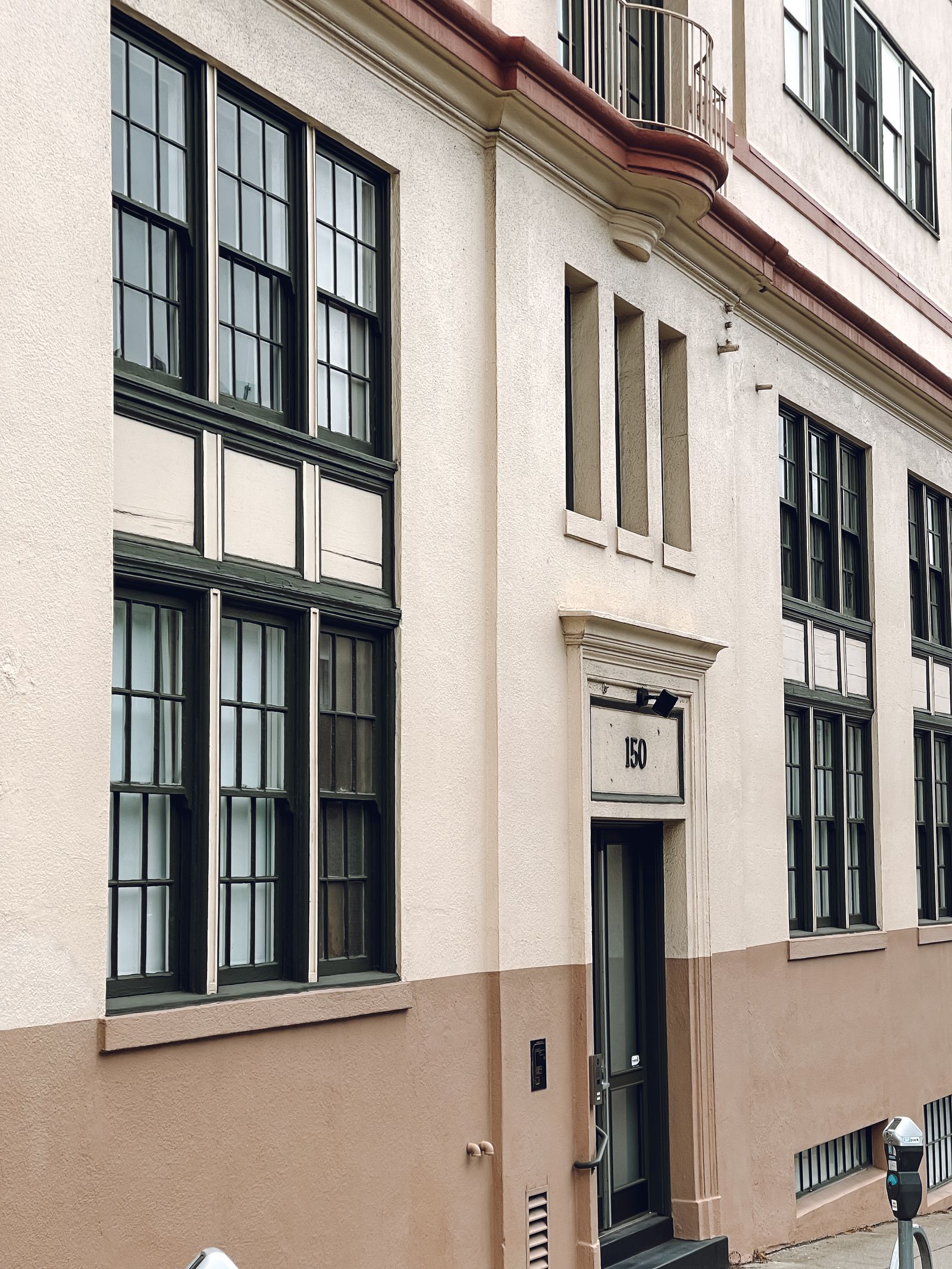
Start with the wall, not the label
Asheville commercial exteriors often combine brick, historic masonry, mortar, concrete, stucco, EIFS, painted metal, glass, tile, wood details, and newer repairs. A dark or green-looking area may be algae-like growth, mildew, pollen, traffic film, roof runoff, mineral residue, oxidation, or a coating problem. Those conditions need different treatment. Pressure chosen without regard to the substrate can scar soft material, open joints, remove a finish, drive water behind trim, or leave the underlying source untouched.
A soft-wash process can be appropriate for compatible organic growth when a test area confirms the material, product, dwell, rinse, and expected appearance. The written scope should distinguish facade washing from mineral removal, oxidation treatment, glass detailing, graffiti, construction residue, repointing, waterproofing, and painting. A useful handback names cleaned elevations and deposits that remain because they need another method or trade.
- Map brick, historic masonry, mortar, stucco, EIFS, concrete, glass, metal, and coatings.
- Separate pollen, organic growth, traffic soil, minerals, oxidation, and damage.
- Use a test area on weathered, repaired, coated, or visually sensitive surfaces.
- Define the expected finish and exclusions before approving a full elevation.
Sequence downtown, South Slope, and Biltmore Village work
Downtown Asheville properties around Pack Square, Broadway, Wall Street, Haywood Road, and the surrounding blocks can place a facade close to sidewalks, cafes, storefront glass, curb space, outdoor seating, event activity, and public parking. South Slope adds breweries, restaurants, offices, lodging, loading areas, and changing pedestrian patterns. A clean exterior still needs an open accessible route, protected door, visible warning signs, and a sequence that does not turn a busy entrance into a work zone. The plan may phase a rear elevation first, then schedule the public frontage during a quieter window.
Biltmore Village properties can include historic-looking materials, narrow approaches, landscaping, shared parking, retail foot traffic, hotels, restaurants, and seasonal visitor demand. Work near a tenant entrance may need coordination with opening hours, deliveries, outdoor seating, valet activity, and neighboring businesses. The proposal should say which elevation is included, how hoses cross a route, where equipment stages, and who can pause the work when traffic or access changes.
Treat Merrimon Avenue and retail access as part of the scope
Merrimon Avenue and nearby retail corridors bring steady vehicle movement, curb cuts, drive-through queues, signs, parking fields, storefronts, and multiple tenants. A clinic, grocer, restaurant, office, or service business may share a drive aisle and have different opening times. The sequence should protect customers, employees, windows, signs, and delivery movement while keeping emergency and accessible routes usable. A property manager should identify peak periods, trash pickup, deliveries, school or office traffic, and any recurring queue before mobilization.
South Asheville and the Hendersonville Road corridor can add hotels, shopping, medical offices, restaurants, and properties with significant grade changes. Parking-side walls may drain toward low points, planted beds, curb inlets, or neighboring parcels. A quote that only measures wall area misses the work required to stage safely, route hoses, control splash, watch water movement, and leave the site ready for the next tenant or customer.
Plan for Blue Ridge humidity, pollen, rain, and storms
Asheville's mountain setting brings weather that can vary by elevation, exposure, season, and storm line. Humidity, tree shade, spring pollen, summer rain, and damp north-facing walls can support recurring film or organic staining. Covered walkways, recessed entrances, ledges, and walls near landscaping may dry slowly. Sun-facing metal and painted surfaces may instead show oxidation, dust, or roof runoff. A maintenance plan should follow exposure and material rather than promise one universal interval.
Thunderstorms, lightning, gusts, heavy rain, low visibility, and saturated ground affect dwell time, spray control, traction, runoff, and any aerial work. Set weather limits and a pause process before the crew arrives. If a storm changes a water path or prevents a dry inspection, rescheduling is part of quality control. Pre-event cleaning, recurring maintenance, tenant turnover, and seasonal presentation can each call for a different window.
Build a method around steep sites and masonry
Steep drives, retaining walls, tiered parking, tight courtyards, switchback approaches, and uneven sidewalks are common planning concerns in a mountain market. They affect equipment placement, hose routing, footing, vehicle movement, runoff speed, and the ability to keep people separated from wet work. Upper walls may be visible from below but inaccessible from a safe ground position. A lift, water-fed tool, pole system, controlled soft wash, contact detail, or a hybrid approach may be more appropriate than forcing one setup across the property.
Historic or weathered masonry deserves a careful condition review. Mortar loss, open joints, spalling, patched brick, efflorescence, biological growth, and old coatings can coexist on one elevation. Cleaning can reveal damage without repairing it. A test area and close inspection help set realistic expectations, and the scope should identify areas that need a mason, envelope professional, painter, roofer, or other specialist. Cleaning should not be presented as restoration or a cure for water entry.
Map access, airspace, and runoff before work
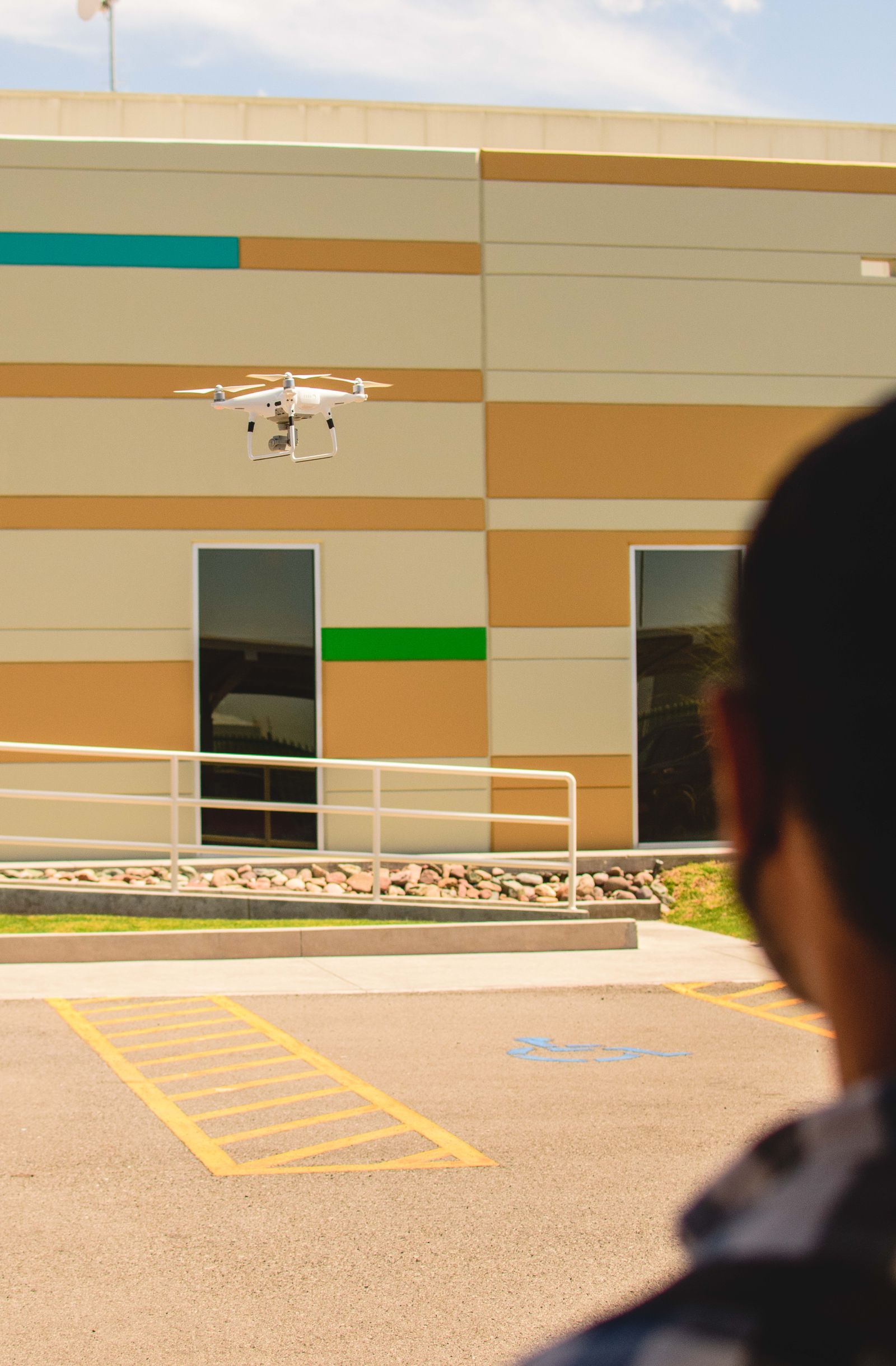
Aerial assistance may help on suitable broad upper areas when the property has launch and recovery space, line of sight, stand-off distance, workable wind, and separation from people, vehicles, wires, trees, balconies, and structures. Downtown activity, Asheville Regional Airport proximity, power lines, mountain gusts, rooftop equipment, tight setbacks, and public routes can change the answer. Commercial drone work must follow applicable Federal Aviation Administration rules and any authorization required for the date and address. A responsible scope names aerial zones and the alternate method if conditions change.
Runoff planning should begin at the high point and follow the water. Map storm drains, low points, steep grades, planted beds, irrigation, basement entries, loading areas, neighboring property, accessible paths, and vehicle routes. Product choice, removed soil, rinse volume, slope, and property requirements determine whether protection, diversion, collection, recovery, filtration, reduced-rinse techniques, or coordination with the responsible authority is needed. A visible inlet is not automatic permission to discharge.
Request an Asheville scope you can actually schedule
For a downtown office, a South Slope restaurant, a Biltmore Village storefront, or a Merrimon Avenue retail property, the proposal should identify materials, deposits, elevations, method, access equipment, work hours, water source, public controls, weather limits, runoff assumptions, intended finish, exclusions, and closeout. Separate broad facade washing from windows, mineral deposits, oxidation, canopies, signs, construction film, graffiti, and repairs. If aerial support is considered, specify useful zones and the backup plan.
Send the Asheville address, wide and close photos, approximate height, priority elevations, known materials, desired result, preferred work window, water access, slope and drainage concerns, and restrictions involving guests, patients, tenants, employees, deliveries, events, or outdoor seating. Call +1 239-351-2897, email contact@dronebuildingcleaners.com, or use the existing quote form to get in touch. The next step may be a remote review, site visit, test area, or written scope.